
With finals officially behind them, many college students will be returning home with more than just a few loads of dirty laundry. Instead, they come carrying the residual stress, emotional and social exhaustion from the academic year. According to the World Health Organization, one in five students meets the criteria for a mental health disorder while a nationwide survey found that nearly half (49%) struggle with loneliness and social isolation.
For college students who are stuck, or simply “getting by”, supplemental treatment support during the summer months can be the difference between someone who regresses, and one who is able to lay the groundwork for a stronger semester ahead.
At The Dorm, we have helped thousands of students use these quieter months to strengthen the skills that matter most to collegiate success: executive functioning (EF), emotional regulation, and interpersonal social skills. Today, with programming that offers rolling admissions and care that is in-network with Aetna*, 80% of our clients return to school with confidence.
Key Article Takeaways
Signs a Young Adult Student May Benefit From Summer Treatment
While there is no single profile of students who benefit from summer treatment programming, there are common characteristics we see among clients who join us and benefit from concentrated care.
- Struggling with the transition of adulthood yet highly motivated to receive support.
- Mild symptoms of general anxiety, depression, trauma and substance use.
- Neurodivergent clients with ADHD or autism who may struggle with future planning, routine-building and cognitive rigidity.
- Problems with social anxiety (e.g., feelings of isolation, struggling to “fit in”, a lack of friendships or strong peer-to-peer relationships on campus).
- Challenges with executive functioning and juggling academic demands (e.g., missed coursework, assignments).
- Requiring support to balance summer classes before taking on a full course load.
Developing Essential Life Skills for College Success
At The Dorm, every student receives an individualized treatment plan prepared by licensed clinicians to help them address their clinical needs, address skill gaps, and work toward their goals.
Using evidence-based therapies, one-on-one clinical coaching, group therapy, and hands-on practical skill-building, clients have everything they need to help them thrive academically and within a community-based collegiate environment.
Building Executive Functioning Skills
From planning coursework and study time, to balancing class schedules and social commitments, executive function skills are the command center that keeps a student’s life running. When they are strong, students can easily adapt to challenges, break tasks into manageable steps, and stay motivated. When they are impaired, even simple tasks can feel overwhelming. Research shows that deficits in executive functioning are linked to increased student anxiety.
At The Dorm, we take a holistic approach to support students, with interdisciplinary specialists working together to provide comprehensive care that boosts functioning before the summer ends. This includes:
Do you or a loved one need help with mental health?
The Dorm is here.
- One-on-one support from a clinical coach or EF coach to help clients develop and apply practical executive function skills in-the-moment.
- One-on-one therapy to address underlying challenges such as anxiety, attention difficulties, or dysregulation that may be impacting executive functioning.
- Dedicated group work to focus on EF skills like goal setting, time management, and working memory in a collaborative setting.
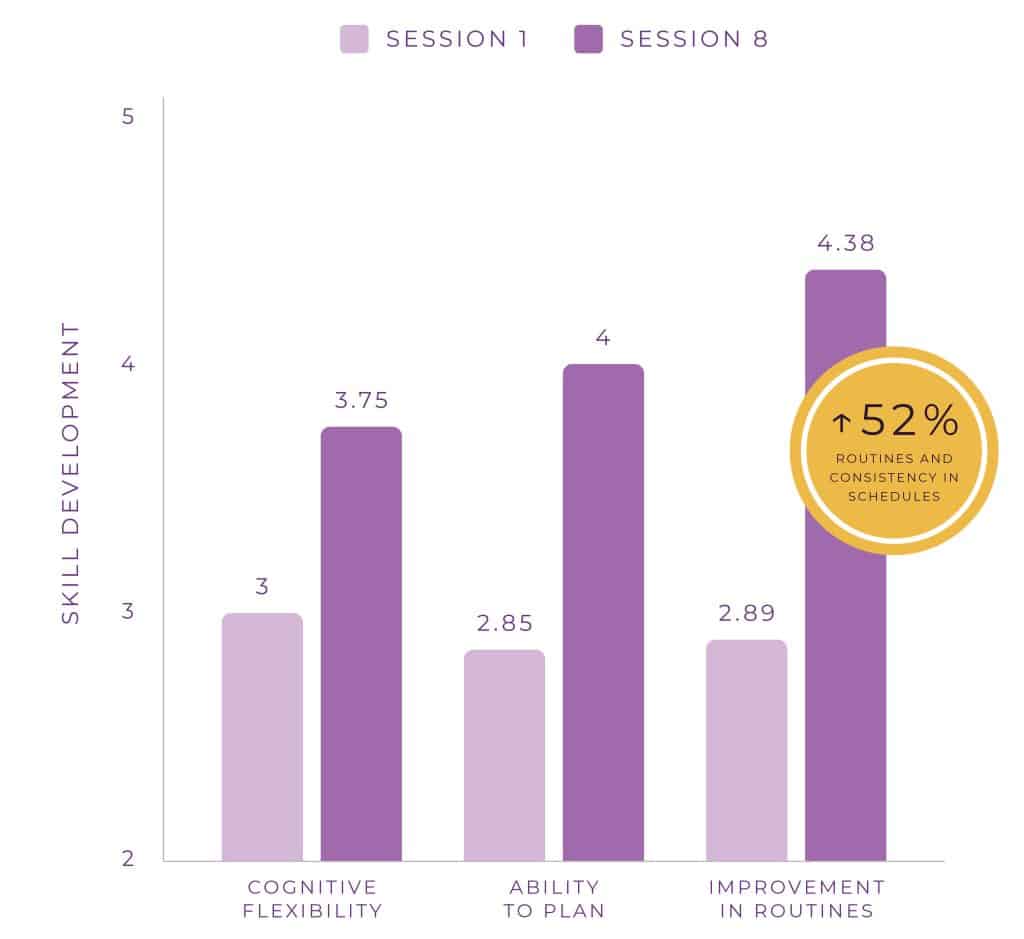
After just 8 sessions of specialized programming, clients report greater executive function-related life skills, with improvements in:
- Problem-solving, cognitive flexibility, and critical thinking skills
- The ability to organize, plan ahead, and initiate tasks
- Daily functioning through structured and consistent routines
Reduced Emotional Reactivity and Greater Self-regulation Skills
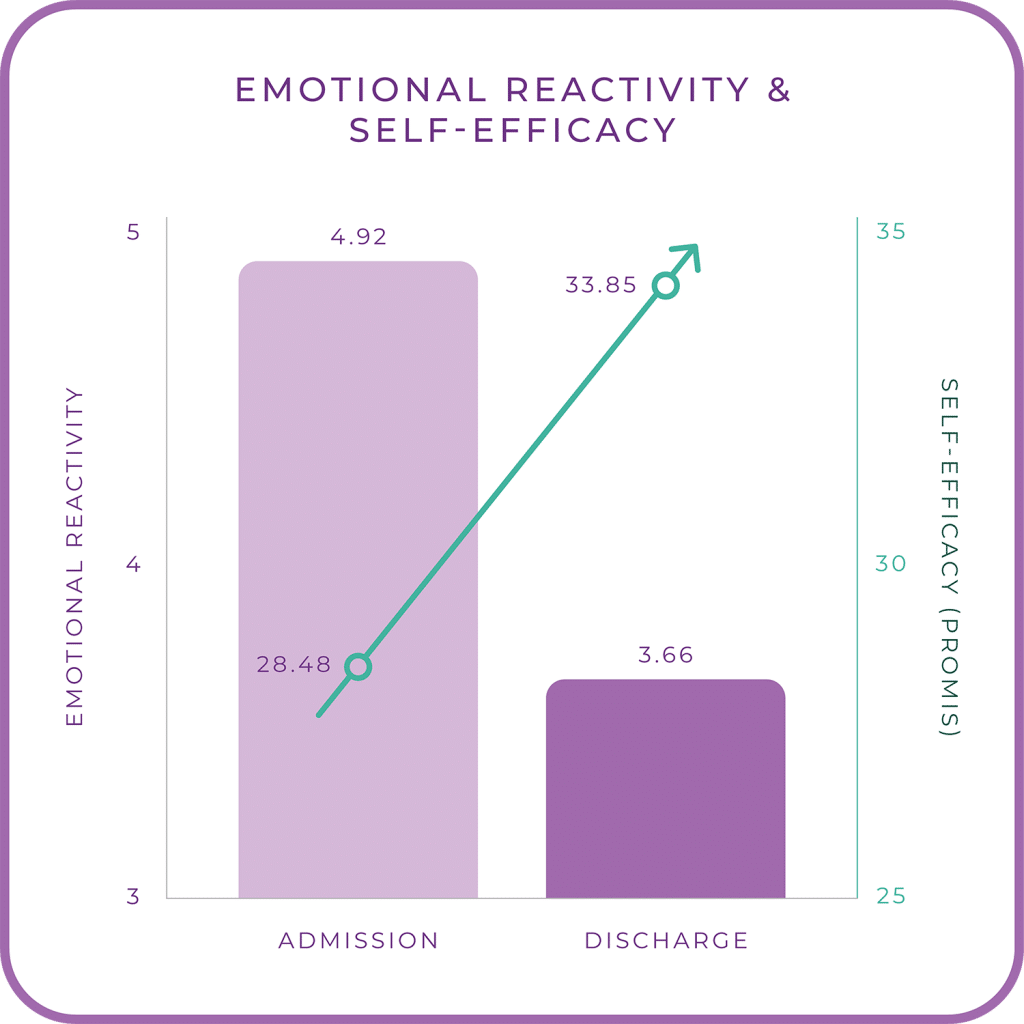
With feelings of “overwhelm,” emotional burnout and stress at an all-time high among student populations, the need for effective emotional self-management is critical. When students are better able to navigate and manage their emotions through life’s ups and downs, all areas of life improve.
At The Dorm, social-emotional awareness skills are woven into every area of therapeutic programming, from individual therapy sessions to weekly skill-based groups that develop DBT skills including distress tolerance. Our in-person community also offers daily opportunities for students to test and practice their skills in real-time, allowing for growth to happen quickly over just a few weeks.
By discharge, our clients report drastic reductions in emotional reactivity, correlated with the ability to:
- Regulate emotions under pressure
- Tolerate distress and adapt to challenges
- Gain resilience, confidence, and self-trust
Strengthened Interpersonal Social Skills
Social life can be a fulfilling part of the college experience, but it does not always come easily. Whether it is navigating everyday conversations with classmates or setting boundaries with a roommate, students who struggle with social anxiety or interpersonal skills can find it easier to withdraw than remain engaged in campus life.
Our team at The Dorm knows that social skills are skills like any other — and with the right support they can be practiced and honed with time. For students attending summer treatment, they are immersed within an affirming, in-person community with the unique, daily opportunity to practice interpersonal skills in dynamic, supportive settings. Whether they’re meeting someone new at our Clubhouse over a bagel breakfast or making plans for the July Six Flags field trip, they’ll gain greater social confidence in just a matter of weeks.
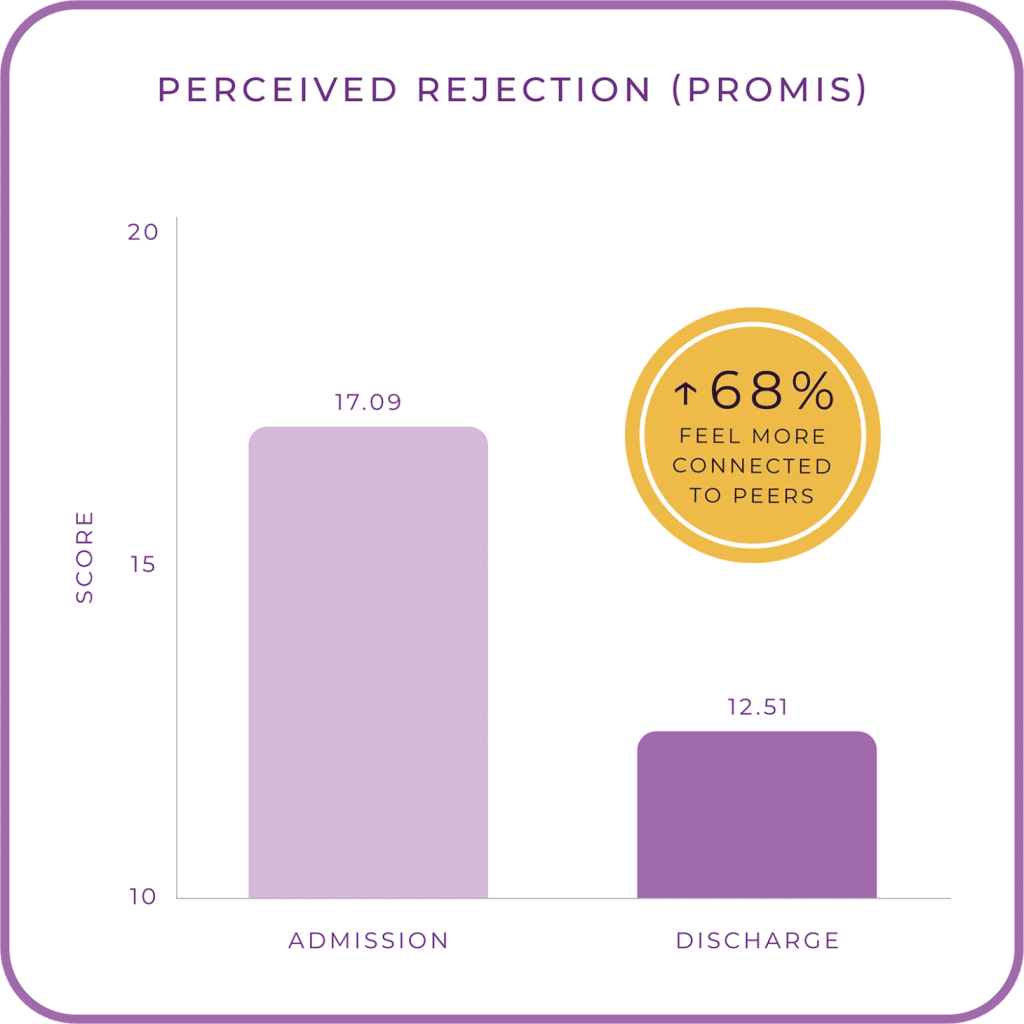
By the time they discharge, clients feel more connected to their peers, helping them learn to:
- Actively listen, empathize, and communicate clearly
- Resolve conflict and hold healthy boundaries
- Build trusting, meaningful friendships
Meet Sloane
Learn how Sloane spent the weeks between freshman and sophomore year mastering the time, organization, and stress management skills she needed to be successful.
Supporting Young Adults on Their Collegiate Journey: For students balancing treatment with classes or taking a break from their studies, our in-person care flexes to fit their needs. Since 2009, we’ve helped thousands of students navigate college and stay on the path to graduation. Find out more here.
*The Dorm’s Washington, D.C. location offers IOP and PHP levels of care in-network with Aetna.