In the wake of a traumatic event it’s important to draw upon evidence-based tools that promote safety, support, and mental well-being.
In this post, therapist and The Dorm’s Partner & Chief Clinical Officer, Amanda Fialk, PhD, LCSW, shares research-based advice, tools and words of guidance for young adults and their families navigating difficult times.
1. It’s okay to feel what you feel. There are no “right” or “wrong” feelings.
There is no one way to respond or to feel in the face of violence, trauma, and pain. Trauma responses and reactions to horrific events exist on a broad spectrum and all of it is normal and part of the human experience. Validating this truth for yourself – or for a loved one who you know is struggling – is an important step, and one that might need to be repeated regularly so that it is internalized.
Note that some typical responses to trauma can include:
- Avoidance of feelings
- Constant rumination about the disaster
- Distancing, isolating tendencies
- Anger or resentment
- Panic and anxiety, including worrying about the future
- Mood swings and irritability
- Changes in appetite and/or sleep habits
- Academic issues, such as trouble with memory and concentration, and/or refusing to attend school
2. If you can, seek support from a trusted professional or treatment team.
Licensed mental health experts are trained to support individuals who are struggling by helping them process what they are feeling. They will help validate your experience, navigate what you’re going through, teach practical and positive coping skills, and offer personalized support.
If possible, seek out someone who is trained to provide trauma-informed care and has a level of expertise supporting individuals healing or coping with traumatic experiences. This specification is particularly important if you or someone you love is experiencing any of the following things:
- Depression and/or anxiety
- Expression of suicidal thoughts/ideation
- Engaging in self-harm
- Substance use
In specific instances, trauma-specific treatment modalities may be necessary and helpful to support someone who is struggling, including:
- Trauma-focused Cognitive Behavior Therapy
- Cognitive Processing Therapy
- Eye movement Desensitization and Reprocessing (EMDR)
- Dialectical Behavior Therapy
- Specialized group therapy that can support trauma healing in a collective, peer environment
3. Be mindful about your consumption of digital media.
Trauma research shows that constant news and social media consumption about traumatic events, including violent content, can heighten anxiety and feelings of distress and can be triggering for some individuals. It’s okay to set boundaries around media coverage to protect your mental health.
4. Maintain any normal routines and activities of self-care that you can. Tap into your toolbox of grounding exercises for in-the-moment relief.
Maintaining routines that support and ground you can help modulate fight or flight responses. One grounding breath work exercise that can work to regulate your parasympathetic nervous system is box or square breathing.
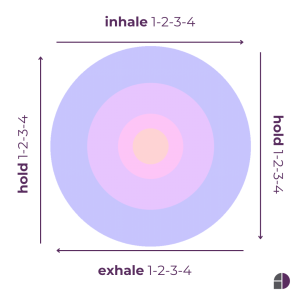
Used by first responders to manage high stress situations, box breathing can help calm the stress responses in our body.
- Imagine the four sides of a box.
- Start on the top part of the box and inhale 1-2-3-4.
- Down the right side: Hold 1-2-3-4.
- Exhale 1-2-3-4
- Hold 1-2-3-4.
- Repeat as needed.
5. Check in with each other and draw on the strength of community.
Research consistently reinforces the healing power of social connection, especially after witnessing a traumatic event. It’s imperative to mental well-being to have a safe place to process one’s emotions. Take time to listen and talk, ask questions, and share stories in a supportive way with others.
At The Dorm, we offer intensive outpatient programming in a community setting that includes weekly support and processing groups for our young adult clients and families, including dedicated groups like Seeking Safety for addressing trauma.
Our framework of trauma-informed young adult care provides clinical expertise, safety, coping skills support and connection.
If you are experiencing a medical emergency, call 9-1-1. If you are experiencing a mental health emergency, call 9-8-8. Text HOME to 741741 to reach a volunteer Crisis Counselor.