Learning from diverse perspectives is a year-round commitment. Our team’s POC Affinity Group has generously shared these recommended resources to spark meaningful conversation and connection within our community. We hope their selections inspire you to celebrate the stories, experiences, and voices that have gone historically under-represented.
📚 Books & Book Club Discussions
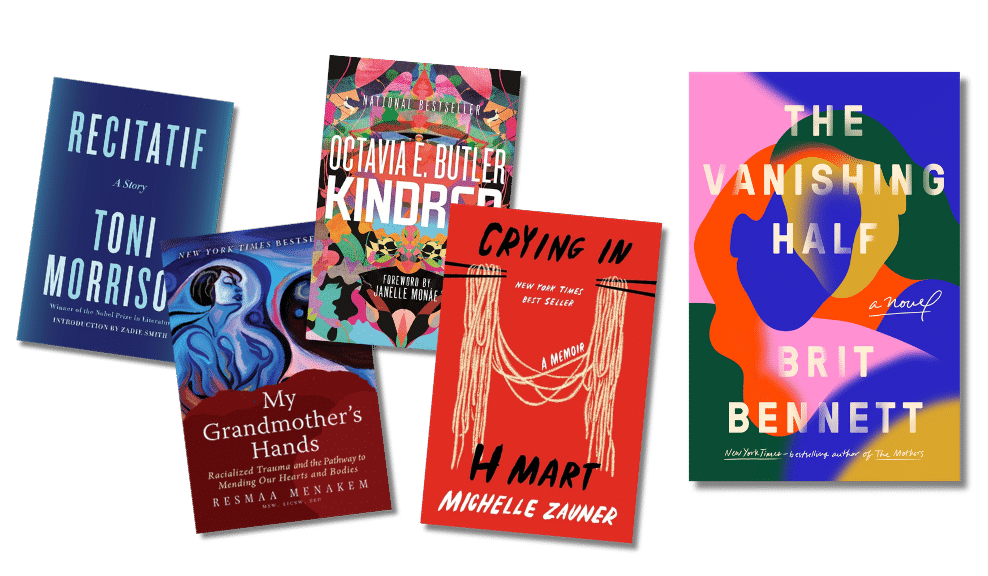
Books our affinity group has read (or is currently reading!) and the enriching discussions they have inspired:
- Recitatif by Toni Morrison
- We explored how assumptions about race shape the way we interpret people, stories, and situations. Many of us reflected on how quickly we fill in gaps when information is missing, and how those assumptions can reveal our own experiences, biases, and social conditioning. Another theme that surfaced was the translation of anger. We talked about how feelings of abandonment, neglect, or being unseen can show up as anger, silence, or withdrawal.
- My Grandmother’s Hands: Racialized Trauma and the Pathway to Mending our Hearts and Bodies by Resmaa Menakem
- As a group we explored how trauma can be carried not only individually, but across relationships, families, and generations. We reflected on the ways survival responses can become so familiar that they begin to look like personality, family patterns, or even culture. Group members also spent time thinking about how resilience is passed down, and what it means to hold both inherited pain and inherited strength.
- Kindred by Octavia E. Butler
- Our group explored discussion questions that invited reflection on history, survival, power, and the ways the past continues to shape the present. We also examined some of the novel’s core themes, including agency, complicity, trauma, resilience, and what it means to witness injustice versus live inside of it.
- Crying in H Mart by Michelle Zauner
- We reflected on themes of identity, grief, family, belonging, and the ways culture can live through food, memory, and ritual. We explored the complexity of mother–daughter relationships, and how love, pressure, misunderstanding, and expectation can all exist at once. We considered how family expectations shape our understanding of ourselves and who we feel allowed to be while looking at how loss can shift our relationship to family, culture, and belonging. Finally, we reflected on the power of everyday rituals, meals, and memories in helping us stay connected to the people and parts of ourselves we do not want to lose.
- The Vanishing Half by Britt Bennett
- We reflected on themes of colorism, identity, family legacy, and the different ways people navigate how they are seen in the world. As a group, we explored how colorism operates not only within society, but within families and communities themselves, shaping belonging, self worth, and opportunity. We also discussed how the sisters’ choices shaped the lives they built for themselves and for the generations after them, while considering the emotional cost of leaving parts of yourself behind in order to survive, belong, or be accepted. Finally, we reflected on what the novel suggests about belonging, and whether it is something we inherit, something we build, or something we are always negotiating.
- The Bluest Eye by Toni Morrison (currently reading)
Future Book Club reads:
- White Fragility: Why it’s So Hard for White People to Talk about Racism by Robin DiAngelo
- Rest is Resistance by Tricia Hersey
- White Teeth by Zadie Smith
- Awakening Together: The Spiritual Practice of Inclusivity and Community by Larry Yang
- Mindful of Race: Transforming Racism from the Inside Out by Ruth King
- Yolk by Mary Choi
- A Lesson Before Dying by Ernest Gaines
- Push by Sapphire
- Brown Faces, White Spaces: Confronting Systemic Racism to Bring Healing & Restoration by Latasha Morrison
📚 Children’s Books
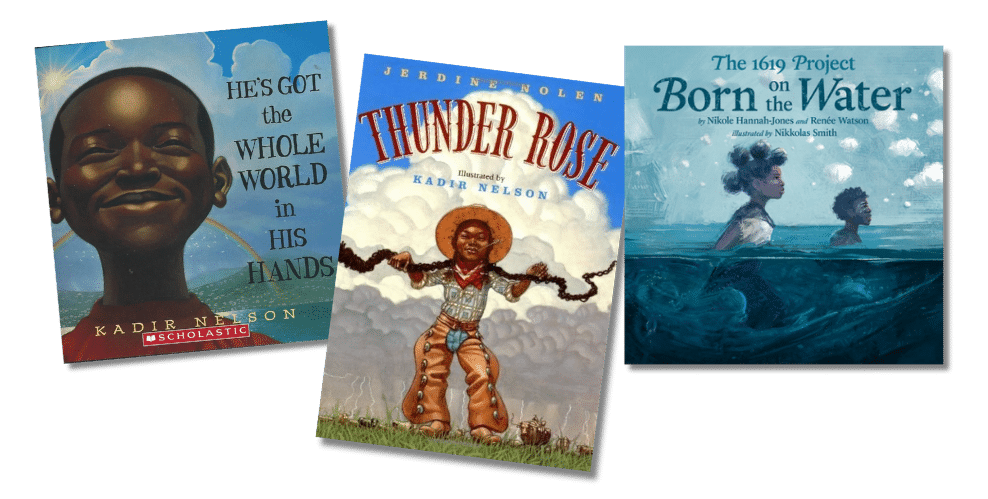
- He’s Got the Whole World in His Hands by Kadir Nelson
- Thunder Rose, by Jerdine Nolen and illustrated by Kadir Nelson
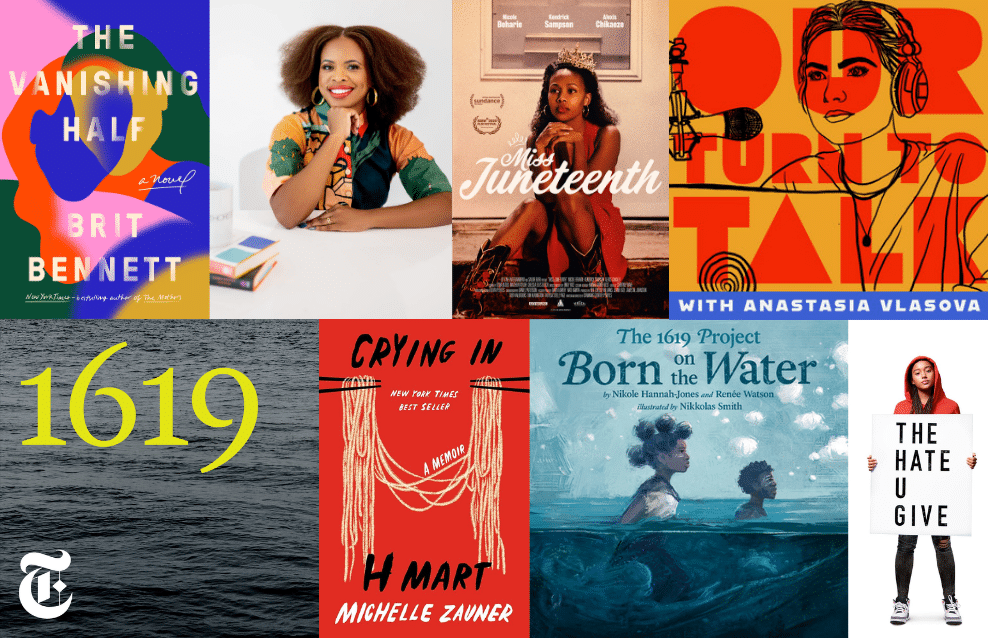
- The 1619 Project: Born on the Water is a children’s picture book by Nikole Hannah-Jones and Renée Watson, with illustrations by Nikkolas Smith.
📝 Must-Read Articles & Publications
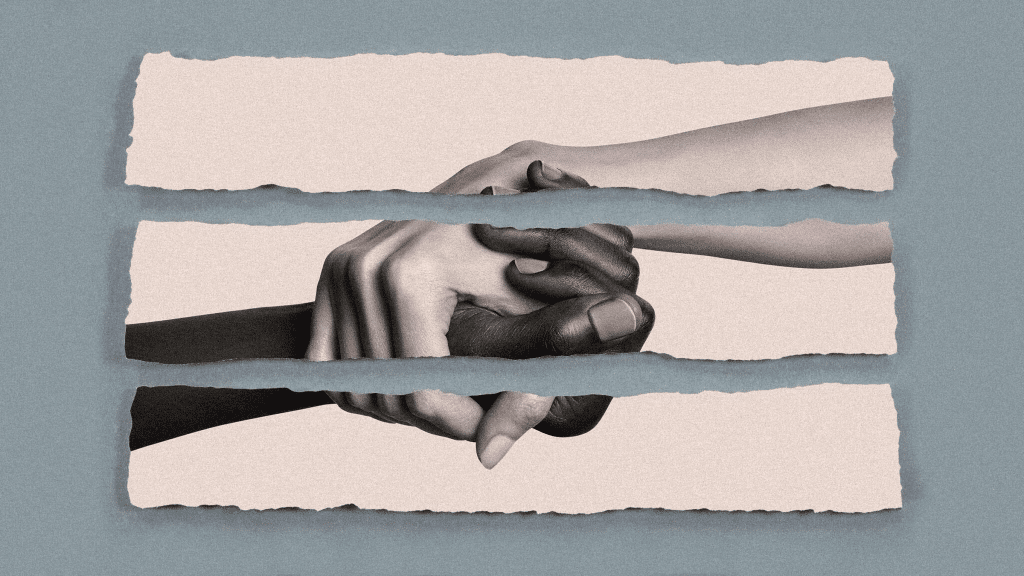
- From Drapetomania to Disparities: Freedom as a Diagnosis. This article traces how Black freedom has historically been pathologized—from the pseudo-diagnosis of “drapetomania” to contemporary racial health disparities—showing how medical and social systems have often framed Black autonomy and inequality through a lens of disorder.
- From Grief to Grievance: Combined Axes of Personal and Collective Grief Among Black Americans. An exploration of how personal loss and collective historical grief intersect in shaping Black Americans’ experiences.
- Poornima Luthra’s 7 Ways to Practice Active Allyship: Authentic Conversation & Courageous Responsibility outlines key strategies for self-education, active listening, amplifying marginalized voices, taking accountability, challenging biases, using privilege for advocacy, and committing to continuous learning and action.
- The Implicit Bias Quiz by Harvard University’s Project Implicit assesses unconscious attitudes and stereotypes that influence decision-making, often revealing biases individuals may not be aware of.
- “From Safe Spaces to Brave Spaces: A New Way to Frame Dialogue Around Diversity“ explores the shift from prioritizing comfort in discussions on diversity to fostering courageous, open, and sometimes uncomfortable conversations that promote growth.
- The Apology to People of Color resolution, adopted by the APA in 2021, acknowledges and apologizes for the organization’s historical role in perpetuating racism, committing to reparative action and systemic change in mental health care.
🎙️ Podcasts
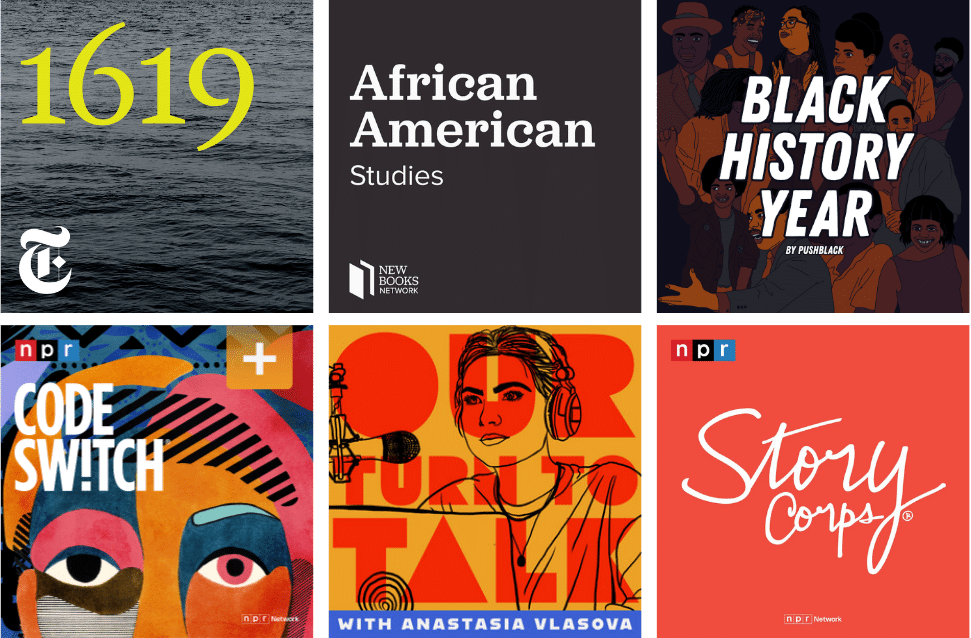
- 1619 (New York Times) is a six-part audio series by Nikole Hannah-Jones exploring how slavery’s legacy continues to shape American society today — an essential listen for Juneteenth and beyond.
- New Books on African American History features interviews with scholars who discuss their latest work and research into African American history to help deepen understanding and broaden perspectives on U.S. history.
- The Black History Year podcast explores overlooked Black history, influential thinkers, and activists, offering insightful conversations that connect past struggles to present-day movements for justice and equity.
- NPR’s Code Switch features fearless conversations about race by journalists of color
- Our Turn To Talk captures mental health stories from a diverse array of teens and young adults
- StoryCorp Weekly Broadcast showcases stories from the heart and features diverse voices
- “How can we build bridges in our relationships?” is a podcast episode featuring author Latasha Morrison, Founder of Be The Bridge, an organization committed to educating communities with a unique approach on how to take action to dismantle systemic racism.
📺 Films/TV Shows
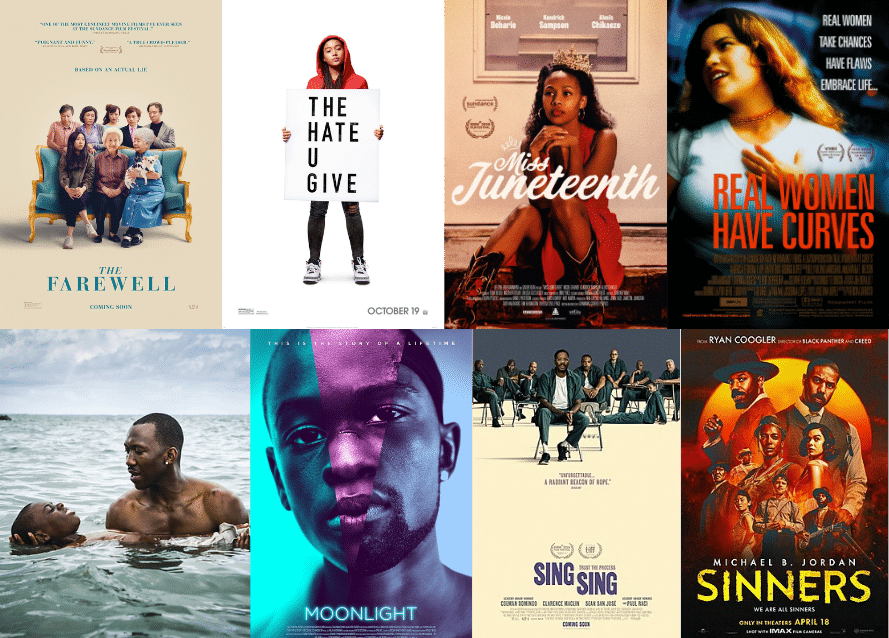
- Sounder, directed by Martin Ritt
- Lovecraft Country, created by Misha Green
- Atlanta, created by Donald Glover
- Get Out, directed by Jordan Peele
- Hidden Figures, directed by Theodore Melfi
- When They See Us , directed by Ava DuVernay
- Concrete Cowboy, directed by Ricky Staub
- The Hate You Give, directed by George Tillman Jr.
- Moonlight, directed by Barry Jenkins
- Miss Juneteenth, directed by Channing Godfrey Peoples
- Black Panther, directed by Ryan Coogler
- The Farewell, directed by Lulu Wang
- Real Women Have Curves, directed by Patricia Cardoso
- Sing, Sing, directed by Greg Kewdar
- Sinners, directed by Ryan Coogler
🎨 Artists
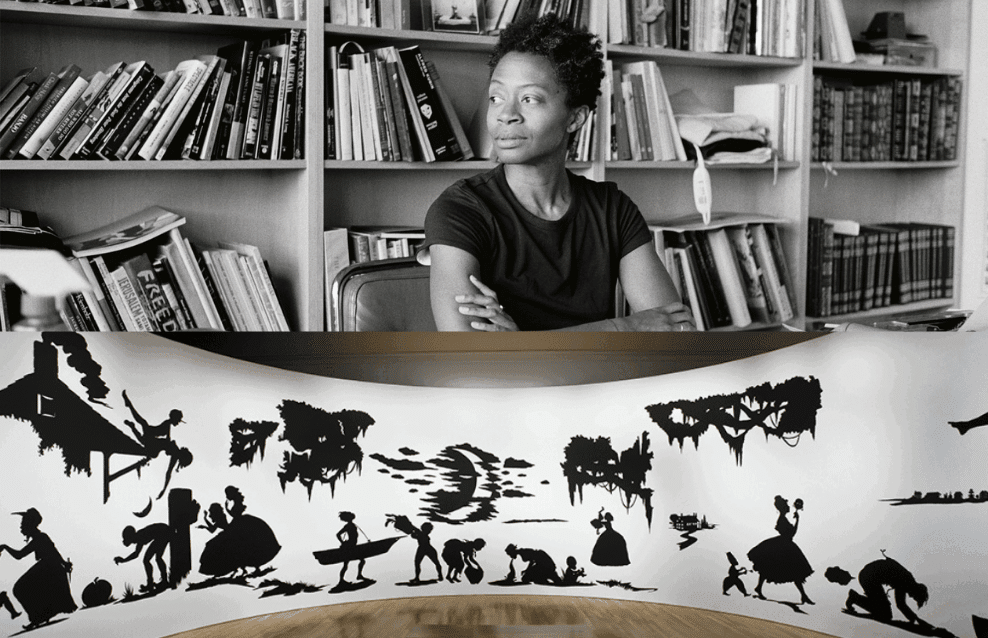
- Kara Walker – An American artist known for her powerful silhouettes, installations, and works that explore race, gender, slavery, and the legacy of historical injustice in the United States.
- Basquiat– Jean-Michel Basquiat started as an anonymous graffiti writer in downtown Manhattan and, by his mid-twenties, was one of the most celebrated artists in the world.
- Faith Ringgold – Harlem-born painter, sculptor, writer, performance artist and activist with art in major collections world wide and award winning children’s books.
- Maia Cruz Palileo – A Filipino American interdisciplinary artist whose paintings, drawings, and installations explore memory, migration, and diasporic identity through family histories and archival research.
- Kehinde Wiley – Known for his vibrant, large-scale portraits that place contemporary Black subjects within the visual traditions of classical European portraiture.
- Yayoi Kusama is a Japanese artist celebrated for her immersive installations, infinity mirror rooms, and signature polka-dot motifs that explore themes of infinity and self-obliteration.
- Frida Kahlo is one of Mexico’s most influential artists, renowned for her deeply personal self-portraits that examine identity, pain, resilience, and cultural heritage.
- Edmonia Lewis was the first Black and Native American sculptor to achieve international recognition, creating neoclassical works that addressed freedom, identity, and social justice.
- Amy Sherald is known for her striking portraits of Black Americans that challenge traditional representations and celebrate everyday dignity, including her iconic portrait of Michelle Obama.
- Firelei Báez creates richly layered paintings and installations that reimagine histories of the Caribbean, migration, race, and colonialism through mythology and archival narratives.
- Keith Knight – A cartoonist and activist best known for his comic strips (The K Chronicles, The Knight Life, and (th)ink) and as the creator behind the Peabody Award-winning Hulu series They Call Me Kat — wait, Woke, Follow him on social media here. (Image credit: Fall Arts Guide in the September 2022 issue of Columbus Monthly).
📺 Creators
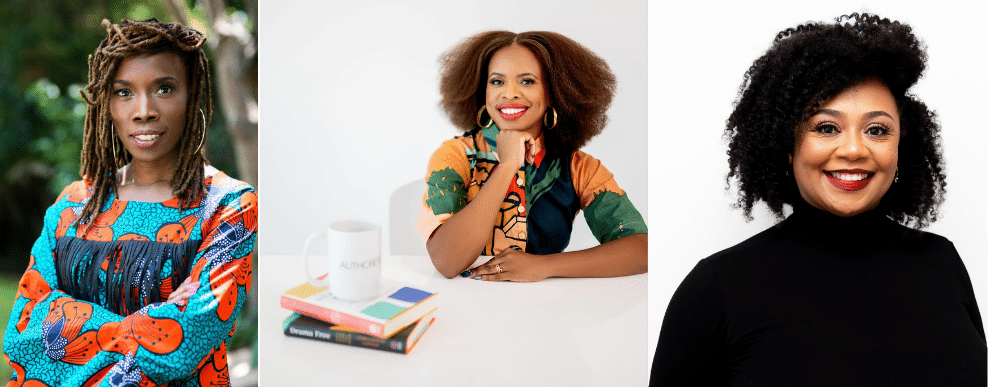
- Thema Bryant is a psychologist, professor, and author whose work focuses on trauma recovery, mental health, and cultivating emotional well-being in individuals and communities. Instagram: @dr.thema
- Nedra Glover Tawwab is a licensed therapist and bestselling author known for making topics like boundaries, relationships, and mental health accessible through practical, evidence-based guidance. Instagram: @nedratawwab
- Joy Harden Bradford is a psychologist and the founder of Therapy for Black Girls, a platform dedicated to reducing mental health stigma and increasing access to culturally relevant mental health resources.
- Tabitha Speaks’ YouTube channel provides daily commentary on viral political news, offering analysis and insights on the American political system from the perspective of a Black woman.
- Reese Waters’ YouTube channel blends comedy and sharp political commentary, highlighting social issues while providing insightful perspectives on current events.
🎭 Events in Our Local Cities: NYC & Washington, D.C.
- New York City Department of Cultural Affairs Events showcase a wide range of free and low-cost arts, culture, and community programming across New York City’s five boroughs.
- Asian American Arts Alliance supports Asian American artists and cultural organizations through funding opportunities, professional development, and community-building programs.
- National Museum of the American Indian preserves and celebrates the histories, cultures, and contemporary experiences of Indigenous peoples throughout the Americas through exhibitions, collections, and educational programs.
- DC Commission on the Arts and Humanities Cultural programs in Washington, DC provide grants, public art initiatives, performances, and community events that support local artists and expand access to the arts.
- Events & Open Mic Nights feature diverse voices and creative exhibitions at The Dorm DC’s local Busboys and Poets Cafe (Washington, D.C.).
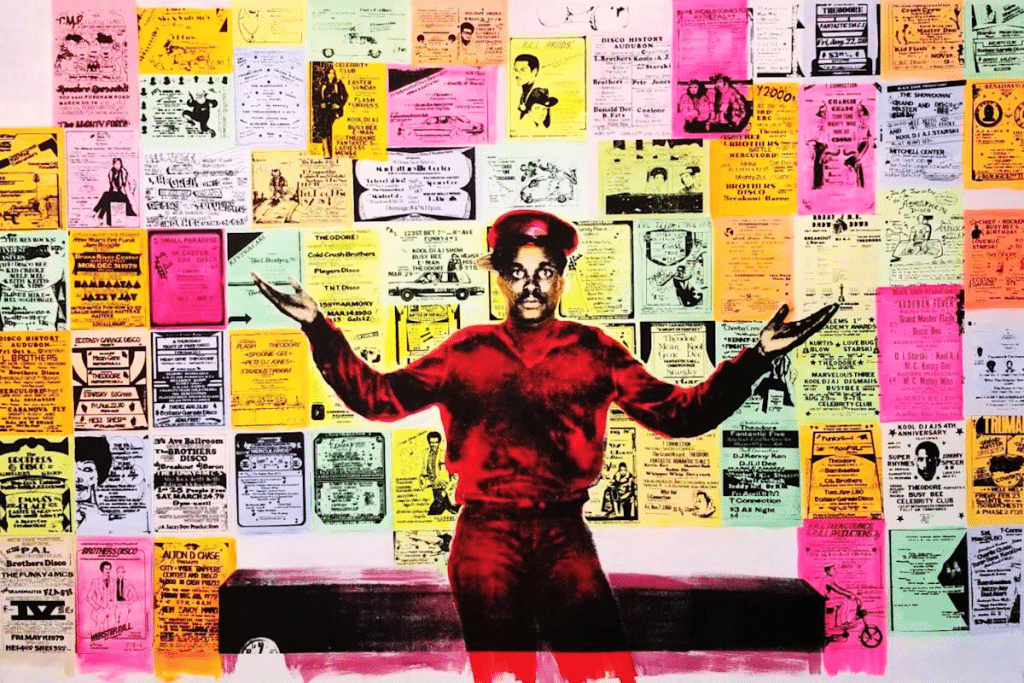
- The Hip Hop Museums in Washington, D.C. and New York City celebrate and preserve the history of local and global Hip Hop.
This list is updated periodically by our team. Please don’t hesitate to reach out with any additional comments or suggestions: [email protected]. Thank you for being a part of our community.