
ANAD's Day of Conversations
The Full Picture: Recognizing All Eating Disorders on Campus
As part of ANAD's Day of Conversation, two of our full-time dietitians and an ANAD student ambassador with lived experience sat down to talk about identifying and responding to Eating Disorders on college campuses
Get Updates on
Upcoming CE Events
- People of color are half as likely to be diagnosed with Eating Disorders or receive treatment, and marginalized communities remain underrepresented in research and care.
- Depression, Anxiety, and other mental health conditions frequently co-occur with eating disorders and can act as contributing triggers for disordered eating behaviors.
- Eating disorders go beyond food, and stereotypes and misconceptions about eating disorders can lead to underdiagnosis and people going unnoticed.
Jason Wood: Okay, welcome in everyone. The Day of Conversation is continuing here at ANAD and we’re really excited to be joined with our partners at The Dorm right now, who will also be joining us in person. So you might be watching this at Columbia University with us right now or you might be watching this somewhere else across the country. Wherever you’re at, we’re really glad that you’re here. This conversation in particular, we’re going to focus in on the full picture, and looking at all eating disorders on campus, recognizing that so often stereotypes can cause many individuals to go missed, when it comes to eating disorder awareness and eating disorder conversations. So to get everything started, I’m going to go ahead and pass it over to Taylor to go ahead introduce yourself and tell us a little bit more about The Dorm.
Taylor Garlow: Yeah, absolutely. Thanks so much, Jason. We’re so excited to be here and be in person as well. So very excited. My name is Taylor. I’m a senior dietitian at The Dorm, specifically in our D.C. location. We have Jayne in our New York City location as well. Just to give a little bit of nuggets about The Dorm. It’s about over 16 years now, The Dorm’s really been dedicated to helping young adults ages 18 to 30 really build independent, meaningful lives. It’s something that we’re really passionate about both in New York and in D.C. and something that Jayne and I really love about what we do is how we do it.
Being full-time dietitians at The Dorm, this isn’t a norm for programs like ours. So to be able to be part of these conversations and to be part of people’s treatment and to bring nutrition to a core part of their care for every single client regardless of the diagnosis or any challenges that kind of bring them to us, we’re able to kind of tackle that holistic whole person approach, and really open up conversations that maybe haven’t had an opportunity to be uncovered yet and things that could be acting as a barrier to their care and launching into building that independent meaningful life. So we’re really excited to be here. We work with clients both with formal eating disorders and those more in the disordered eating. So a full spectrum. And we’re just really excited to discuss how to support these students and any resources and things to kind of keep our eyes out for.
Jason Wood: Amazing. That was really good to hear too because that’s one of the messages we’re trying to get across at ANAD this year, is that you don’t have to have a formalized eating disorder diagnosis to need help and need support. If you’re struggling with any type of food or body image concerns, reach out and talk to someone. We’re here at ANAD. You’re there at The Dorm. So, yeah thanks for sharing that. Jayne, would you like to go ahead and introduce yourself?
Jayne Cudia Yes, definitely. Thank you, Jason. I’m Jayne Cudia. I’m also a senior dietitian at The Dorm. I’m based out of our New York City location like Taylor mentioned. Very happy to be here. I started out at The Dorm as an intern about three years ago. So, just happy to continue these conversations in this setting. Thanks for having me.
Jason Wood: Yeah. Thanks again for joining us. I’m really excited for this conversation. And last but not least, Isaac. We just connected a little bit ago, but I have been so inspired and just wowed by everything that you’re doing and your passion for eating disorder awareness and advocacy. So, would you like to go ahead and introduce yourself?
Isaac Ou: Yeah. My name is Isaac Ou. I am a first year graduate student in the Master of Nutritional Sciences and Dietetics program at UC Berkeley. And I’m really passionate about eating disorders and I teach a class at Berkeley called underrepresented topics and eating disorders. It’s a two credit class and it fills up. This is our second semester and we’ve always been able to fill it up. I’m also the student coordinator for the International Federation of Eating Disorder Dietitians and I also serve as the co-chair for nutrition in the Academy for Eating Disorders and I’m really excited to be here.
Jason Wood: Awesome. Well, thank you for being here. As you can see, everybody who’s watching at home or watching us in person, we’ve got a really good panel. So, I’m looking forward to a great conversation. We’ll go ahead and dive right in. And one of the first questions that I think comes to mind when you’re having these conversations is around diet and wellness culture and how that can really mask eating disorders. So, I wanted to throw that out to the group just to get your thoughts on how our current normalized behaviors and sayings and things that reinforce diet culture and wellness culture can really impact college students and mask eating disorders.
Jayne Cudia: Firstly, I’d kinda like to jump in by stating that I think wellness culture masks diet culture in some ways. So, I think that society is thankfully becoming a little bit more aware of the link between diet culture and disordered eating and eating disorders. And I think wellness culture and that kind of spin on diet culture is particularly dangerous because it reinforces restriction, rigidity, body surveillance, by reframing it and sort of claiming that these behaviors are in the name of health and self-care. I think that obviously most people aren’t striving to develop an eating disorder, but maybe they are striving to fit into society, to fit in socially, cope with life stressors.
And college students, I think, are particularly at risk because of the unique developmental stage they’re in. I think that there’s a lot of life stressors happening in that college age. And yeah, that’s what makes them particularly at risk. And then I think it shows up maybe via chronic dieting. That’s kind of framed as clean eating or cutting out processed foods in the name of health. Maybe there’s excessive exercise behaviors due to or sort of framed as maybe stress management or wanting to be really productive, things like that. Yeah, food rules, I think that can be sort of framed as striving for balance but it might appear that way on the surface but then are actually pretty rigid or anxiety driven or things of that nature. I think on college campuses too diet culture behaviors are very normalized.
Isaac Ou: I would also add that it seems like more and more college age students are getting into fitness and going to the gym. I see this a lot. Well, I don’t know. I graduated high school in 2020, but half my graduating class is into fitness now. And I see that as a rising trend. And instead of getting information from a registered dietitian, they would get their information off the internet or from their friends. And oftentimes it can be really bad information that can lead to abnormal eating patterns.
Taylor Garlow: Absolutely. Yeah. The beautiful access to information that people have and being in a new environment with a lot of people in the same boat as you, right? New to college, your age, students, independence for maybe the first time. So there’s a lot of influence from that too and maybe some misguidance around what we should be doing, what we shouldn’t be doing. All in the same boat of trying to make it through and surviving a brand new shift in your environment.
Jayne Cudia: Right. I also feel like being in that college age, it’s a really transformative time for a lot of people. I think students may be sort of exploring identity and that can also set them up to be vulnerable or susceptible to influence regardless of what that influence is, and unfortunately diet culture is something that can kind of influence people.
Jason Wood: Yeah. And I was going to add in there too that we’ve even just got sayings around it too when it comes to things like the freshman 15 and all of that. And we’re just reinforcing those harmful behaviors and encouraging students to go towards this dieting or trying to control their food intake or getting to the gym enough as a way of trying to prevent something bad from happening. So it’s like we’re introducing that good versus bad mentality that can be so harmful because one thing I’ve learned in my own personal recovery is that all foods can fit and that rest days are wonderful. But in my battle with orthorexia and stuff, there was very much this black or white mentality. This thinking that I had to eat super clean, super healthy in order to basically have value as a person, in order to make other people happy. I think about the praise that I would get from family members, from friends, from coaches, and everybody around me, saying, “Oh, I wish I had the dedication and the discipline that you had.” And we lift those things up, and it’s justifying a lot of these disordered behaviors.
Taylor Garlow: It’s perpetuating this connection that health equals weight or body shape and size, right? Where we’re so in that mindset that they have to be they are so strongly connected when we see more and more that it is not such a one equals the other relationship and how that unfortunately that mindset does create more disordered behaviors that ultimately end up not being healthy and maybe creating larger health issues too. It’s such an interesting cycle, one that is so harmful as well.
Jason Wood: Yeah. I tell everybody, when I go out and I speak to college campuses, you’ve got to take a holistic approach to health because I think for so long we’ve prioritized as a society, physical health. When you ask a student on campus, you could walk up to anybody and say “what’s something you do that’s healthy.” They’re going to talk either about food or they’re going to talk about exercise. There’s mindfulness.There’s no social health. There’s none of the other healths that are part of our well-being that are talked about. We’ve got to move away a little bit from having physical way up here and everything else just down, forgotten about.
Taylor Garlow: Absolutely. And that’s something I feel like really is so amazing about kind of the work that Jayne and I are doing at The Dorm and something I know we both feel really appreciative and grateful of that we’re brought in as a representative of nutrition being a part of physical and mental health too. It’s hard to do your other therapeutic work if you are one, under fueled or you have all of this mental real estate being taken up by eating disorder thoughts or this pressure to be the smallest version of yourself as possible or to be productive to earn food. It can be really distracting from your other work in addition to just being a student and doing the thing that you’re there to do. So, that’s something that we’re really excited to be part of and include as an addition to all of the other facets of holistic health as well.
Jason Wood: Well, thank you for everything that you’re doing at The Dorm. I have loved all the work and we’ll get into the disordered eating guide a little bit later on, but that is a phenomenal resource that I cannot share enough. One of the next questions that I wanted to ask, are what are some common triggers that students might face on campus? We kind of, we dug into a little bit of those, but what are some common triggers?
Taylor Garlow: Absolutely. I think people, Jason when you were saying like the freshman 15 it was really sitting with me because I think people don’t think about how big of a transition going to college is. Think about all of your years leading up to college have been pretty laid out for you. This amount of years you’re doing this part of school, then high school, and then you go to college and maybe there’s more structure with meals. There’s less autonomy over what’s going on with food. And then you go to a place where not only are you doing a brand new version of school that is unlike anything you could prepare for, you are now forced to launch into some sort of new independency, into some degree, that you have not experienced yet before.
So with that becomes so much more responsibility for food intake. Access is different, your schedule is different, your responsibilities are different, how you engage with peers is different, and because of that, your relationship with food and your body are going to change as a result of that, because it has to. That’s the thing that is inevitable in this life, is these things are going to change because our life is not stagnant forever, right? Everything shifts. But that can be really difficult in college and with narratives like the freshman 15 there is this pressure that I need to avoid doing that because that is bad. My body changing without any sort of context. My body changing in that way is inherently a bad thing when it’s expected to change. Of course it is. Everything’s different.
But also finding the balance between responsibilities with school, and fueling yourself and feeling like you have to make a choice between staying up all night and not being able to get to the dining hall for a meal because there’s pressure to perform academically or social pressure as well. Maybe going to meals with peers is helpful for you, but if that’s not something that you’re plugged into socially on a university campus or in a space, you might be less likely to have those kind of anchor meals for yourself as well.
I also think about how substance use can come up for folks in the college space too and how that can lead into some disordered behaviors around food. It can promote the binge restrict cycle or maybe establish compensatory eating disorder behaviors. And then kind of what Jayne was saying too around identity coming up in college and people are now exploring, who are they in this new space and having more freedom maybe to explore what that is can make them more susceptible to the kind of grips of diet culture that may be under the guise of wellness culture as well. So there’s a lot there and it’s tricky. It’s really tricky to navigate.
Jaye Cudia: Yeah. And then I also think about social media and the role that that plays in triggering potentially some disordered behaviors in students and college students. I think there’s a lot of different problematic content online that sort of targeting susceptible what Taylor was saying kind of being in this vulnerable age in this maybe susceptible space targeting those people unfortunately. So, I think about the what I eat in a day influencer content that’s really being pushed online and obviously this content is completely lacking context. We also don’t know if that’s accurate. And it definitely promotes comparison. So, viewer comparison to the person posting the content.
There’s a lot online fitness and wellness blowup sort of posts that are happening, before and after images I think is a big one in terms of weight loss or muscle gain and body checking that comes from that body checking photos are posted and people can look at that as sort of motivation essentially to start engaging in disordered behaviors. And also something too that’s very interesting with social media is the algorithm reinforcement. So the more you’re engaging with content and I guess the more if it’s a video, the more amount of time you’re spending actually watching it, then the more exposure to that similar content you’ll see. So that can also be really really damaging. I think orthorexia being on the rise, I think social media definitely plays a large role in that specifically in this college student age range.
Taylor Garlow: Kind of bringing it back too to comparison you think about going to a a new environment with all different people than you were used to spending time with or being around I graduated with a class of 160 people in central New York state so going to a large university, whoa significant shift in in different people that I was being, having experiences with and and seeing, so I think there’s natural social comparison that’s happening and that pressure to maybe do things to look more like that or to not look like that right. That kind of social comparison piece too where as you’re entering a college space and trying to make friends and make connections the pressure to kind of conform to behaviors and things that you’re eating in order to fit in or feel comfortable or to be accepted.
Jayne Cudia: Right.
Jason Wood: Yeah. That is a really really good point. I didn’t even think about that. The change in environment when you’re going in. And the one thing that I say is I’m so glad I’m old enough that I didn’t have to deal with social media too much when I was that age because I can’t imagine the pressure because there is that constant comparison that that is going on and they always say comparison, comparison is the thief of joy. So yeah absolutely. I also one of the things that was coming to mind is as you were talking Jayne was just about how kind of with orthorexia I feel like social media is the billboards of maybe the 1950s and 1960s where it was glamorizing cigarette smoking and now we’re seeing kind of the same thing play out when it comes to orthorexia and it might be unbeknownst to people they’re posting this content they’ve never heard of the condition, they don’t realize that it’s something that could be serious and harmful to someone. But unfortunately, every single day we go online and it’s glamorized when you fall into diet culture and when you’re following these strict rigid rules and you’ve got all this dedication and discipline.
Jayne Cudia: Right. And I can’t even claim this thought as my own because it actually came up, a client had brought it up in one of my groups. But this idea that when pre social media, yes, there were advertisements maybe on television and billboards and things of that nature, but the sheer amount of content was so much less. And now someone in one sitting, scrolling on their phone for an hour can consume truly an exorbitant amount of content and not even remember also that what they saw maybe on their phone, but subconsciously sort of taking that in. It’s interesting.
Jason Wood: Yeah. And now we also have to be mindful of AI. A lot of images out there, I mean, for a while was Photoshop and all of that, but now a lot of images are AI generated. People are finding themselves comparing themselves to an image that’s not even real.
Taylor Garlow: Yeah, that could be a whole discussion in and of itself. Such an emerging important area for us to be keeping our eye on, but it’s something that is coming up a lot more in our spaces and our conversations with clients. For sure.
Jason Wood: Yeah, it definitely is. And actually part of our day of conversation. So, I guess by the time this airs, people will have already seen the conversation if they tuned in. But if you missed it, we talked a little bit about AI and needing those lawyers a little bit earlier on.
Taylor Garlow: I love that.
Jayne Cudia: I need to go back and check that out.
Taylor Garow: We’ll be going to that one.
Jason Wood: And Isaac, I wanted to toss that question over to you too, since you’re there on campus and you’re seeing it happen every single day. What are you seeing with your friends and your peers and fellow students there on campus when it comes to some of the triggers around eating disorders and diet culture?
Isaac Ou: Yeah. So I think something that’s really important is that eating disorders are really comorbid with other mental health conditions like depression and anxiety. And so a person, they might not have an eating disorder according to the diagnostic criteria but they might develop depression and then as a result develop some type of abnormal eating pattern. And so I see that a lot of students who might not meet specific criteria as proposed by the DSM5, but their eating behavior is still very problematic and they could see a registered dietitian for that.
So in my course or the first project that we or the first assignment that we have them do is, we ask why are you taking this class? What are you interested in? What do you know about eating disorders? And a lot of students, they don’t know the variety of eating disorders that are out there. We mainly know anorexia nervosa, bulimia nervosa and binge eating disorder. But the other eating disorders like orthorexia or ARFID or PICA these are not really talked about. And so when somebody has these types of behaviors they’re not able to identify it within themselves.
Taylor Garlow: Absolutely. Yeah. I think about the access to different foods in a dining hall that may not be safe foods for someone with ARFID and having all of these selections that feel distressing and anxiety inducing, and that can create a lack of intake because of that and navigating that change in landscape. So it absolutely can influence folks in so many different ways with their eating patterns.
Jayne Cudia: Right.
Isaac Ou: Yeah. And I also see a lot of unintentional restricting. It’s like, woke up today really late, got to rush to class, so I guess I’ll skip breakfast. But then, they do that a couple days, they found out, oh, well, if I skip breakfast, I’ll lose weight. And then that becomes a part of their normal routine now. And then they develop disordered eating as a result.
Taylor Garlow: Yeah. A slippery slope for sure.
Jayne Cudia: Totally.
Jason Wood: You can say now in my recovery, you don’t want to catch me if I miss breakfast. We take it just a few minutes every day to make sure that you’re feeling up.
Taylor Garlow: Yeah. But it brings in too all of these kind of what Isaac was saying too, the co-morbidity side of it. We see that a lot because a lot of folks come to The Dorm that may not be presenting primarily with any sort of eating disorder concerns or nutrition concerns, but because their executive functioning is poor and could use some support because of anxiety or depression or medications that make it difficult to tune into their cues. We can tell them about breakfast all day long and if that piece is missing, the thing is not happening. So it’s so connected and so overlapped in that way which I think creates more emphasis on the holistic approach.
Jayne Cudia: Right. And also not waiting to potentially see a dietitian or receive some sort of nutrition counseling because like Taylor was saying. We may start meeting with people who didn’t really think they had any disordered eating because it is so normalized, and so maybe they don’t have a formal diagnosis, kind of what Isaac was saying, but they’re exhibiting some symptoms and could really benefit from support too.
Jason Wood: Yeah. One of the interesting things that I’ve found in conversations, because one of the things we’re really trying to do here at ANAD is make eating disorders more part of the mental health conversation, because for so long I think it’s been siloed off a little bit and it’s like no it is a mental health condition. It needs to be talked about in the same conversations as depression and anxiety and substance use and all of this. But it’s been interesting to have those conversations with people who maybe have gone through substance use recovery or have been working through anxiety or suicidal ideation or things like that and they come to me after the fact years after they’ve been in recovery and say, “Hey, I actually was battling disordered eating or I think I had an eating disorder while I was going through this. I didn’t realize it until now after I heard more about eating disorders or I heard your story.” And I find that fascinating that so many people are healing even from their eating disorders without realizing what it really was.
Taylor Garlow: Yeah, absolutely. I think the lack of awareness that to struggle with your relationship with food can be a common experience, but not having insight into is this something that is actually perpetuating my challenges and making things harder for me? Because we all eat food. It’s a non-negotiable. We must to survive. So, we all have a relationship with food. Therefore, they’re all susceptible to influences and challenges that change it.
Isaac Ou: Yeah. I think a big role that has played into this is the diagnostic labels because it’s not a black or white thing. You have an eating disorder, you don’t have an eating disorder. Most times it’s you display symptoms of something. You might not meet the full criteria, but still problematic enough. And so I think that’s a lot a big reason why a lot of people they get missed because they think they need to fit the specific label.
Taylor Garlow: Absolutely.
Jayne Cudia: Right. Right. And they wait maybe to seek treatment or I’ve even heard of people sort of engaging further in their behaviors so that then they can meet a diagnostic criteria and then they think they’re worthy of treatment at that point when really help is here at any time.
Jason Wood: Yeah, one of the next questions I wanted to point out was some of the stereotypes and misconceptions around eating disorders. So, I think this is a great kind of leeway into that topic. What are some of those stereotypes and misconceptions that exist and how are they serving as barriers?
Jayne Cudia: I can jump in with a few and then yeah, others jump in as well. But I think two of the first ones that come to mind that I hear often would be that you have to be underweight to have an eating disorder and you can tell by looking at someone if they have an eating disorder. And in reality only about 6% of people with diagnosed with eating disorders are medically underweight or weight suppressed as defined by the BMI. We know that using the BMI to define the severity of an eating disorder is very problematic. It’s unreliable and it often causes people to avoid seeking help because they believe that they’re not sick enough. Um, so these are two very problematic and untrue misconceptions. I think another one is this idea that eating disorders are a choice or a phase or people can kind of drop their eating disorder at any time. Like we’ve said before, eating disorders are mental health conditions. Definitely not a choice. And one does not grow out of an eating disorder. Often if left untreated, it will continue to perpetuate and not go away on its own.
Taylor Garlow: And I think this kind of ties into, a lot of the times I’m talking to people and I’m like this misconception that eating disorders are just about food or body shape and size when it goes so much deeper than that. There’s so much more to uncover. There’s a lot of layers to this. A lot of values or identity or perfectionism, all these different things. So, it really is very often not about just food. There can be more to it, but it can kind of get brushed off as, oh well, they just want to lose weight or they just want to be healthy when there’s a lot more going on behind the scenes than we might realize that doesn’t get uncovered unless we’re asking these questions.
Jayne Cudia: Right. Right. So to that point, Taylor, another sort of misconception is that oh, if someone’s eating, they must not have an eating disorder or they must be better or healed. But because what Taylor was saying, eating disorders are yes about their food behaviors, but also are about thoughts, distress during a meal, so much more than just actual food intake. We cannot just say based on somebody’s food intake in one moment that they don’t have any eating disorder or that they’re better.
Jason Wood: Yeah. I tell people all the time that I could have followed that meal plan to a tea, but that didn’t mean that I was healing from my eating disorder because I needed to be there talking with my therapist and working through the underlying factors that were contributing to the eating disorder in the first place. And I like to say that food was just the tangible evidence that something else was going on much deeper. So it does, it goes much much deeper than food and you can’ determine if somebody has an eating disorder simply based on the fact that they are eating.
Taylor Garlow: Sure. Yeah.
Jayne Cudia: Right.
Taylor Garlow: I think too the misconception and a lot of this has to do with the misrepresentation of marginalized folks in eating disorder research, right? That eating disorders have a specific look in terms of race and gender as well because that tends to be what’s captured in research. So there’s a whole, all populations that are definitely struggling with eating disorders that are not being represented in our literature, which is a huge area that needs to change to also make people feel more comfortable to seek treatment, to be like actually this is something that I need support in. So it can be really a huge barrier for folks of all backgrounds to be seeking care and feel or feel comfortable to even ask is this, what I’m doing harmful to me? So that’s a huge issue as well and a big stereotype that I think perpetuates a lot of, lack of treatment for marginalized folks.
Jason Wood: Yeah. And I know this is a specific area, Isaac, that your course kind of dives into as well and and getting to look at some of those eating disorders and the individuals within the the eating disorder community and stuff who have been overlooked for so long. So could you maybe talk a little bit more about that?
Isaac Ou: Yeah. So, we have a chapter on socioeconomic, sorry, sociodemographic characteristics. When I say that, you probably think, oh, race and gender, but we go even deeper into that. We talk about things like religion, disability status, veteran status. And something very important is your socioeconomic status, your financial status. And I see that a lot of I believe research has showed that students or individuals who have food insecurity, they have an increase in disordered eating or eating disorder behaviors and we know that a lot of students they might not be able to afford food or they’re eating the same ramen every night and that can lead them into a binge restrict cycle which can then be perpetuated by the stress that they’re facing academically.
Taylor Garlow: Yeah.
Jason Wood: And then I heard I always love hearing people’s stories and experiences. So if you’re out there right now and you’ve struggled at all with food or body image, share your story because somebody else needs to hear it. And that’s how we can create this change and make sure that we’re being more inclusive. But one of the things that I found very interesting was from a woman who was born in India who now lives in the United States. And she said it was very difficult to go through treatment here because the way that the programs were set up were not culturally aligned with her food and the relationship that her culture has with food. And I thought about that for a minute and it’s true. Our culture can play a big role in our treatment and our healing journeys. And if we’re not making sure that’s part of the healing journey, it can be really harmful for the people that we’re trying to help.
Taylor Garlow; Absolutely.
Jayne Cudia: Absolutely.
Jason Wood: So, what are some ways that we can better support individuals who have been marginalized for so long in eating disorder treatment and recovery?
Taylor Garlow: Yeah, I think seeking education like folks may be doing today is a big big step, right? Just being curious. In exploring types of conversations like this and seeing research and things of that nature and where those underrepresentations lie. I think too, regardless of what we’re doing, kind of coming at it from a lens of trauma informed, weight inclusive, anti-racist, is going to create an environment where people feel safe and comfortable or start to begin to feel safe and comfortable to even start exploring some of this, because it’s our relationship with food is so deeply personal and it’s not something people feel comfortable exploring sometimes. It’s a conversation I often have when people don’t come in with this kind of thing on their radar and they’re like I don’t even know if I want to go there. It might be too much or they don’t feel that they are in a safe environment to explore that. So it’s something that can be really really impactful to be creating spaces as much as you can.
So making sure we’re also validating the impact of systemic oppression on food, health, bodies, we can do all the work in the space but unfortunately there is so much work that has to be done outside of the space. So making sure we are validating that, those have significant impacts on our clients and the people that we’re working with and our peers and people we know that are struggling with this. I think screening for things like disordered eating and eating disorders is a big one too. I think people get a little nervous to talk about this because it’s something that feels really personal and really maybe tedious and that eating disorder care is very specific and and niche and you need to be really specialized in it when we can be asking questions about your relationship with food or being curious without going too deep into it but being aware of things we might be wanting to look out for. That way we can connect this individual with the resources to better support recovery or maybe explore this if they’re in that space.
Of course incorporating culturally relevant foods and traditions into treatment, making sure there’s space for that. And also of course increasing representation among providers. I can speak for the field of dietetics and as a white woman, we are a predominantly white profession and that is a huge issue with representation and can be absolutely a barrier for folks of marginalized communities to seek treatment and care because they’re not feeling that they have any sort of representation when we’re a lot of white women really. So barriers too, to even becoming a dietitian.
I could go on a whole soap box about that. But recognizing that representation among providers and also in educational pro materials that we’re providing folks is super important as well. And then advocacy of course being part of conversations like this, advocacy for accessible affordable care campus resources. Not all universities and schools have access. I think about DC or New York, all these universities are part of large cities that have maybe more diversity and more access to specific resources than more rural campuses that maybe don’t have that as much. So, spreading resources and information and knowledge so that folks can have access to that as much as they can.
Isaac Ou: Yeah. And knowledge doesn’t have to come from somebody who has a million degrees or letters behind their name. I believe that learning from people with lived experience is very important because they might teach you a thing or two that you might not have known had you not listened to them. And I think that the majority of the education and textbooks, they’re written with certain demographics in mind. And so a lot of demographics are being left out. And so it’s really important that we listen to people with lived experience.
Taylor Garlow: Absolutely.
Jayne Cudia: Definitely. And there’s also an incredible under representation in research as well. So I think maybe not a call to action for providers or clinicians but more on the research side of things that being something that could definitely use. We need more research in marginalized communities with eating disorders. And yeah, I think the whole screening process, kind of like what Taylor was mentioning, but the recognition that people of color with eating disorders are half as likely to be diagnosed or receive treatment and that the clinician and the provider has a role in sort of catching that. So yeah that I think that screening is very important and not making assumptions based on demographics and things.
Jason Wood: Yeah. One thing I want to go back and thank you Isaac for for pointing out that lived experience people do have the power to educate as well. I always tell people I don’t have a fancy degree on my wall to talk about this stuff. I’ve just got some flying hamburgers back there if you can see. But getting the lived experience and getting those different perspectives to be part of the conversation is so important. I encourage everybody who has lived experience to actively look for what research studies are going on right now. Try to get involved with those, participate in those because unfortunately there are those gaps where we’re not catching a lot of the population still. And I think that’s causing clinicians and providers then to miss it as well.
So, we’ve got to learn more from each other and really start to speak up and push beyond that stigma and those stereotypes that are keeping so many people from getting the help that they need. So this kind of leads into the last portion of our conversation and this is where we want to leave the folks who are listening right now with some takeaways. What are some actionable tools, actionable skills that the people who are watching right now can take with them to confront some of the things we’ve talked about tonight?
Taylor Garlow: Yeah, I think a huge thing that comes to mind for me is being aware of maybe common eating disorder behaviors, language, phrases.Once you start learning it, you catch it a lot. And that’s something that can open the door to maybe conversation or sharing resources to someone if they’re open to that of course. So being aware of maybe what to be listening for maybe it’s diet, language or body comments or maybe rigid behaviors with food that you might be observing. I think the power of knowing what to look out for can be really really important in helping to address whether it’s in yourself or with a peer. Knowing resources that are available. College and universities are built to have things in place to support students.
So, I think about not all universities, but a lot of them do have food pantries or connections to local resources for folks. Being aware of what’s available. Something like a student health center, a student affairs division in a university is going to be a great place to go. They’re designed to make sure that they’re supporting the student in so many different ways. So, they might be a really big well of knowledge for folks. Even if you’re an RA or a professor or a person in the university setting, to be aware of what access there is available right there on campus. Referring early as well if possible, not waiting too long before things spiral because it could be very much so impacting their ability to show up as a student as well. So if able to, referring early to resources, which again can come from being aware of what to be hearing or what to be looking for when it comes to these types of behaviors or things that folks are struggling with.
Jayne Cudia: Yeah. And I think honestly it might be helpful too if we quickly even discuss what are specifically some of these behaviors. Taylor mentioned, I think the rigidity is such a big one. If there is distress that comes from maybe changing up your eating and or exercise routine. So if you’re noticing that in a friend or something that could be a warning sign. I think maybe any sort of social isolation or withdrawal specifically if it’s relating or surrounding food related events, going to dinner with friends and stuff. If somebody’s kind of pulling back or if you’re noticing any compensatory behaviors. Because of X, I’m now going to eat like Y or exercise like Y. Those are kind of some ideas I have going, but I’m sure, there’s plenty more as well. But just things to sort of look out for. Definitely language.I think a lot of changes too if you’re noticing maybe a difference in the way that your friend is showing up in these areas.
Jason Wood: Awesome. And one of the things I was going to point out too is if you want to tackle diet culture wherever you’re at, whether it’s at home or at school or at work, I encourage places to do a diet culture jar kind of like they do with a swear jar. And you hear somebody say something around diet culture and they got to put a dollar in there and then they can donate it over to ANAD if you would like. I’m going to put that plug out there. Donate it wherever you would like. But just catch it. Anytime you hear somebody start to normalize diet talk and normalize this wellness culture, use it as a learning opportunity. You don’t have to get confrontational with them or mad or angry about it, but lighten the mood a little bit. Hopefully direct them, educate them a little bit more on this language could be really harmful for the people around you because the one thing we know about eating disorders is you can’t tell from looking at someone. So you never know who around you could be struggling with disordered eating or an eating disorder.
Taylor Garlow: They thrive in secrecy in isolation. So that it may not be so obvious if you don’t know what to be looking for because they’re kind of designed to be that way. So that’s something to keep in mind too. It might not be something people are outwardly seeking support for because that doesn’t serve the eating disorder.
Jayne Cudia: Right. Right. I also think if you’re a friend or a loved one supporting somebody, checking in with your loved one beyond food, asking a question as simple as, “How are you coping lately?” Providing them space and not even having to say the right thing. Sometimes saying nothing is actually what they need, but maybe being a consistent presence for them. Maybe helping, offering physical support in actually attending on campus resources like appointments or helping schedule those things. Yeah, I think like Taylor said, definitely avoiding food and body talk. Kind of leave that up to maybe their providers, their clinicians. But providing support by being a presence in that.
Jason Wood: I tell people all the time, don’t try to fix it. You can’t just jump in and fix it. You got to be there to listen and give them that space.
Isaac Ou: So, something that I see a lot of friends of people with eating disorders do is they try to teach them about nutrition or tell them, oh, did you know it is okay to eat? And I think that these are coming from, they have good intentions. It’s coming from a good place. They need to understand that the eating disorder is a mental health issue and it’s not a choice and the person would probably eat if they didn’t have the eating disorder, right? So, I think it’s really important to understand that we might have good intentions, but it might not work at the same time. Leading with curiosity and compassion as opposed to solution based especially when it’s folks that you care about feeling like you need to help them solve that right in that moment. But the two C’s, compassion and curiosity can go a long way.
Jason Wood: I love that. Compassion and curiosity, that’s the theme for the rest of the day here. So, before we wrap up, I can’t not talk about the amazing guide that The Dorm debuted. When was that? Last summer, last fall. It was probably longer ago than I even realized now. But could you talk a little bit more about the disordered eating guide that came out?
Jayne Cudia: Yeah. So our Dorm team so kindly spearheaded the creation, and Taylor and I of course provided our insight as well, but they created this wonderful guide, all about navigating eating disorders on college campuses. So very very relevant to our conversation today. This guide is really for students or parents as well. People who support them. So whether that be staff, faculty, friends, maybe a student struggling themself. This is really for anybody who wants to either learn more or provide support to those struggling with EDs specifically in college or on the college campus. Anybody can access this guide by visiting the dorm.com/guide. Or you can head to our website, thedorm.com and navigate your way to that page. You can also check us out on Instagram, @thedormcommunity. We share more resources beyond this guide as well.
Taylor Garlow: In that guide, there’s a lot more too of things to look out for, specifically that we might not have touched on here today. A lot more meat and potatoes of some of the stuff we were scratching the surfaces today. Whether you’re curious for your own knowledge or you have someone in your life that you are starting to show some concern for, there is definitely something that you can take away from this guide. It was very beautifully put together. We gave them the information and they created the stunning format for it. It’s very user friendly as well to navigate.
Jason Wood: Yeah, it really is. I can attest to that. They used the testimonial from me to help share it because I was so blown away when I first saw it the first time. It was one of the best resources I’ve seen. So, thank you so much for working on that. For people who are watching at home or who are going to receive the recording of this, we’ll make sure to include a link for you as well to go download the guide so that it’s really easy to access. But at this point, Isaac, Jayne, Taylor, I want to thank you all for joining me for this conversation. For everybody who’s in person right now, we’re going to do a little Q&A there at Columbia University. Everyone else, we’ve got the wrestler premiere coming up in about 15 minutes or so. So, stay tuned. It’s going to be a great way to wrap up what’s been an awesome day of conversation. So, again, panelists, everyone, thank you so much for being here.
Q&A
Taylor Garlow: Jason, I can’t hear you. I don’t know if that’s just me.
Jason Wood: Oh, no, it’s me. I forgot to take myself off of mute. I was making a confession while I was listening back to the recording. I found myself nodding along and being like, “Yeah, we were having the conversation again for the first time.” It was just yeah, so much helpful information. Thanks so much.
Taylor Garlow: Yeah, we were so excited to do that with you and super excited to be here
and continue the conversation with any questions or curiosities around it. But thank you again for giving us the space and including us in this day. We’re really honored.
Jason Wood: Yeah, absolutely. I wish I could be there in person with you, but mother nature had other plans for us. We clearly were very excited about it
Jayne Cudia: I think we jinxed ourselves a little bit.
Taylor Garlow: Mother nature was listening. We did.
Jason Wood: Yeah. So, if anybody has any questions, definitely head over to Facebook, YouTube, or LinkedIn pages. You can type those in the chat here. We’ll hold out for a few more minutes for questions to come in. One of the comments that did come in while we were having the conversation was about regional differences and how that’s something to consider when you’re working with different students. That’s something that I’ve seen too with our student ambassadors. So I was wondering if either one of you had any thoughts on that.
Jayne Cudia: As that question came in right around that time, Taylor I think was mentioning in our conversation the difference in resources particularly between an urban campus setting and a rural setting. This I think regionally yes, and then also even on more micro level the difference in which actual community location you’re in. I think resources like Taylor also mentioned in our conversation, food pantries in particular for folks that struggle maybe with food insecurity and campuses that either have those available or if there’s any sort of outsourcing that could be done in the community. But I’m imagining, more barriers if you’re not in an urban setting and if it is more rural in terms of access.
Taylor Garlow: Yeah, I think that speaks to being even more familiar with communities that you’re part of because regional challenges and concerns are absolutely a thing. So this goes beyond eating disorders too and being aware of the communities that you’re in and especially a lot of folks who travel to go to school and go to universities or colleges and different places than where they’re from and being familiar with what that landscape looks like, because you are part of the brand new community in that sense.
Jason Wood: And another really good question that’s near and dear to my heart as a man that’s in recovery from an eating disorder is what are maybe some unique signs that we might see in men in boys who are struggling with disordered eating or or body image concerns.
Taylor Garlow: Yeah. Such a big topic and so important. Another population and community that is just not part of these conversations enough and is also getting normalized in the type of language and the behaviors that they might be exhibiting. I think a lot of the times it gets glazed over as something that “oh boys will be boys” or they’re trying to bulk or cut. I think about those phrases as soon as I hear those, my ears are perked because it’s just something that is, if it was said in a different type of individual like a female for example who tends to be more of that poster poster child if you will for an eating disorder, it would then get a little bit more like “hm yeah that maybe is a problem”. Maybe that’s something that’s harmful and unsafe, but in a male it’s something that’s really normalized and we’re kind of like “oh yeah they’re just doing it”, so I think being aware of kind of those contradictions and kind of the way that shows up for these different folks. I think being aware of language we were talking about in that video a lot too. Maybe rigidity around behaviors. I think overexercising is one that comes up a lot with men with boys because it does get normalized. So something to keep an eye out for.
Jayne Cudia: Yeah, I second everything Taylor said. Definitely. I think the clean eating, the macro counting, potentially protein fixation, even though it may not be striving for thinness, it may be definitely in men, but in men, we more often times see still desire for changing body composition, though it often times is is framed in this muscle gaining way, but it’s really underneath sort of the behavior, the intention. And the eating disorder remains the same.
Taylor Garlow: Yeah. And thinking about that masculinity kind of being a norm that discourages seeking support because it’s just under this guy. So they’re less likely to share that maybe this is taking up a little bit more mental space than they thought it would and it’s impacting other parts of their lives. So just being aware.
Jason Wood: Yeah.One of the things that Jayne you mentioned too was I used to use this term all the time and I think protein become more and more mainstream. I guess you could say especially for men and boys. But I would have protein anxiety where it was like there was this fixation on protein and diet culture and wellness culture had told me that’s okay that’s normal that’s celebrated, but there shouldn’t be anxiety around getting certain macros every single day or anything like that. But I talked to a lot of men out there who kind of have that same protein anxiety that I’ve experienced.
Taylor Garlow: And kind of to address too the representation in the providers that do this sort of work, I stand by we are a predominantly female profession in dietetics. Getting more diversity of folks in our space is so important because it can be the thing that helps open a door for a person to be curious about that. What does that look like for them? When they see someone who they can connect with a little bit more.
Jason Wood: I get really excited. So every year I have the opportunity to speak to Dr. Paula Quatromoni. If you’re watching right now, hi Paula. But her Boston University dietetics graduate course and I get really excited when I see another guy in the course because it’s just that, or there needs to be more representation. I think there in the providers in the conversations we’re having but also in the providers themselves.
Jayne Cudia: Yeah, that’s right.
Jason Wood: Yeah. So, we’ve got another question that came in. This is a really good one. How do disordered eating behaviors change through life’s different stages? And I think that this really, can resonate for college students, especially because there’s that big transition into college, then there’s that big transition out of college and into the real world, and then it continues, there’s different stages throughout our lives. That I think the eating disorder can look different.
Taylor Garlow: Yeah absolutely. I think about how I was saying that our relationship with food is going to change because our life changes. We get older, we grow, we develop, we are in different jobs, we have family changes, job changes, all these types of things. So things are going to show up in what our relationship with food looks like. I think about going beyond young adulthood, which is the population Jayne and I work with primarily. People more in their maybe starting a family type of age and how that can change the way that they show up for themselves because there’s other people that they’re responsible for, or work is more demanding. So, kind of goes back, in a way to how that might have showed up in a university setting. Like work is so busy I don’t have time to have breakfast in the morning, right? Or just these things become normalized. It’s kind of interesting. It’s same thing but in a different type of stage of life and just looks a little bit different. Jayne, I don’t know if you had anything else to add to that too.
Jayne Cudia: Definitely. I really like the the second part of this question asking specifically in older men and women and I think that can definitely be for women like the post-menopausal period where hormones are really shifting, metabolism changes are happening and bodies are changing and bodies are constantly changing throughout our lives from a newborn baby to 90 years old. Your body is going to transform so much. Seeing your body change in real time can be triggering for a lot of people. Not even specific disordered behaviors because I think the actual behaviors of restricting or whatever it is actually can look really similar, regardless of your age. But I think the triggering life stages like Taylor was saying, and then in particular maybe when it relates to bodies changing.
Taylor Garlow: Yeah.
Jason Wood: And for anybody who didn’t catch the conversation earlier, we had a great conversation with Jane Maddingly on body grief. And I think that that is one of those things where as we age, we all grieve our bodies. We’re all losing things and body grief can impact all of us and it can definitely play a factor in the development of an eating disorder. One last question here before we head on over to The Wrestler and the debut or the premiere of that film. And I think this one ties in perfectly, but how can someone start the process of body neutrality and acceptance when it feels like social media is telling them they’ve got to look a certain way, they’ve got to eat a certain way, and setting those unrealistic expectations.
Jayne Cudia: I think part of it comes from the name, body neutrality slash acceptance. I would also like to add a slash respect because you don’t have to love your body or have this body positivity. I think that is very daunting and overwhelming for people. But instead being neutral about it and caring for your body is something that you can do even if you don’t love it. You can still respect it and feed it and take care of it. And then I think too, to the social media part of the question and the ads and stuff, recognizing that there are ads that you are seeing are designed to make you feel inadequate, to feel less than, to feel like you have to change yourself so that you can then go buy a product or contribute to this this whole diet culture, wellness culture world.
Taylor Garlow: Yeah. The diet industry is a billions and billions and billions of dollar industry. It doesn’t make any money if you’re happy in your body, right? If you feel good about the body that you’re in. So keeping that in mind in terms of the type of content you’re taking in or the language that’s being used when talked about bodies. I think too kind of zooming out of your body from how it looks. We’re humans, so how we look is part of our experience especially in the world and society that we’re in. So we can’t neglect that piece entirely and we can acknowledge that that gets perpetuated and emphasized by a larger industry that maybe doesn’t have our best interest at heart and that our bodies serve so much more of a function than how it looks.
I always love saying this to the people I work with. Your body is the longest relationship you’ll ever have in your life. It is the vessel. It is your home. So, thinking about zooming out from how you feel about how it looks or how it doesn’t look, it still is worthy of compassion and care regardless of how you’re actually feeling about it. And it’s so much easier said than done, I recognize, and something that takes time, especially when you’re unlearning all the years of diet culture and body shaming yourself and comparing to other bodies. But it can be a really powerful nugget to start thinking about our bodies as home for us, as our longest relationship, as our vessel.
Jason Wood: Alright. Well, thank you so much for that. And this leads in wonderfully to the premiere of The Wrestler. So for everybody who’s watching at home right now, stay on Facebook, YouTube, Instagram, stay right there on the ANAD web page. We will end this stream and come right back with the creative team behind The Wrestler and the preview of that. But Jayne and Taylor and everybody at The Dorm, thank you so much for joining me for this conversation tonight.
Jayne Cudia & Taylor Garlow: Thank you so much.
Get Updates on
Upcoming CE Events
Get to Know the Experts
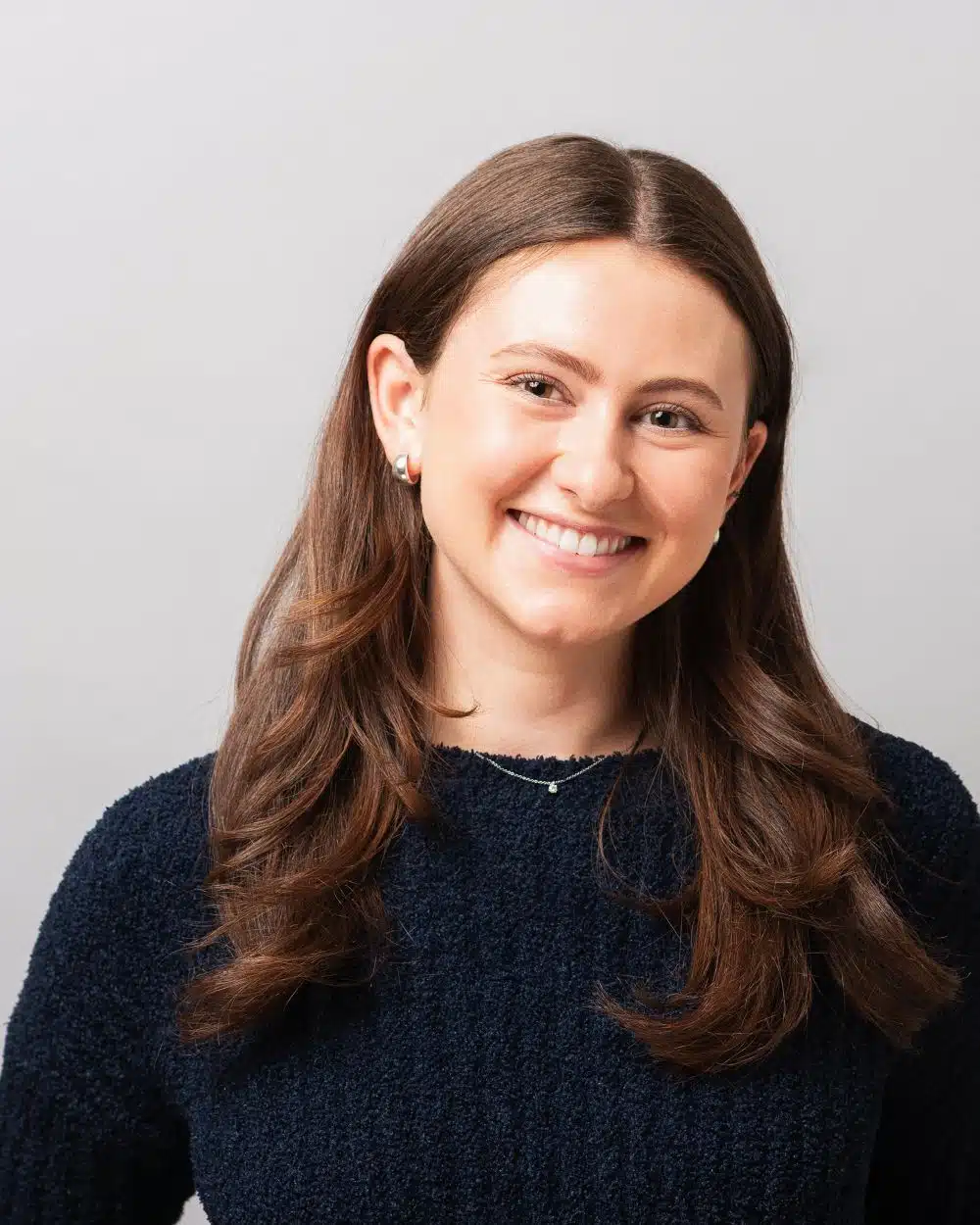
Jayne Cudia, MS, RD, CDN
Senior Dietitian
Jayne is at the forefront of nutritional programming at The Dorm, leading and creating an Eating Disorder recovery process group, conducting staff trainings on eating disorders and weight stigma, and representing The Dorm at various networking events and conferences.
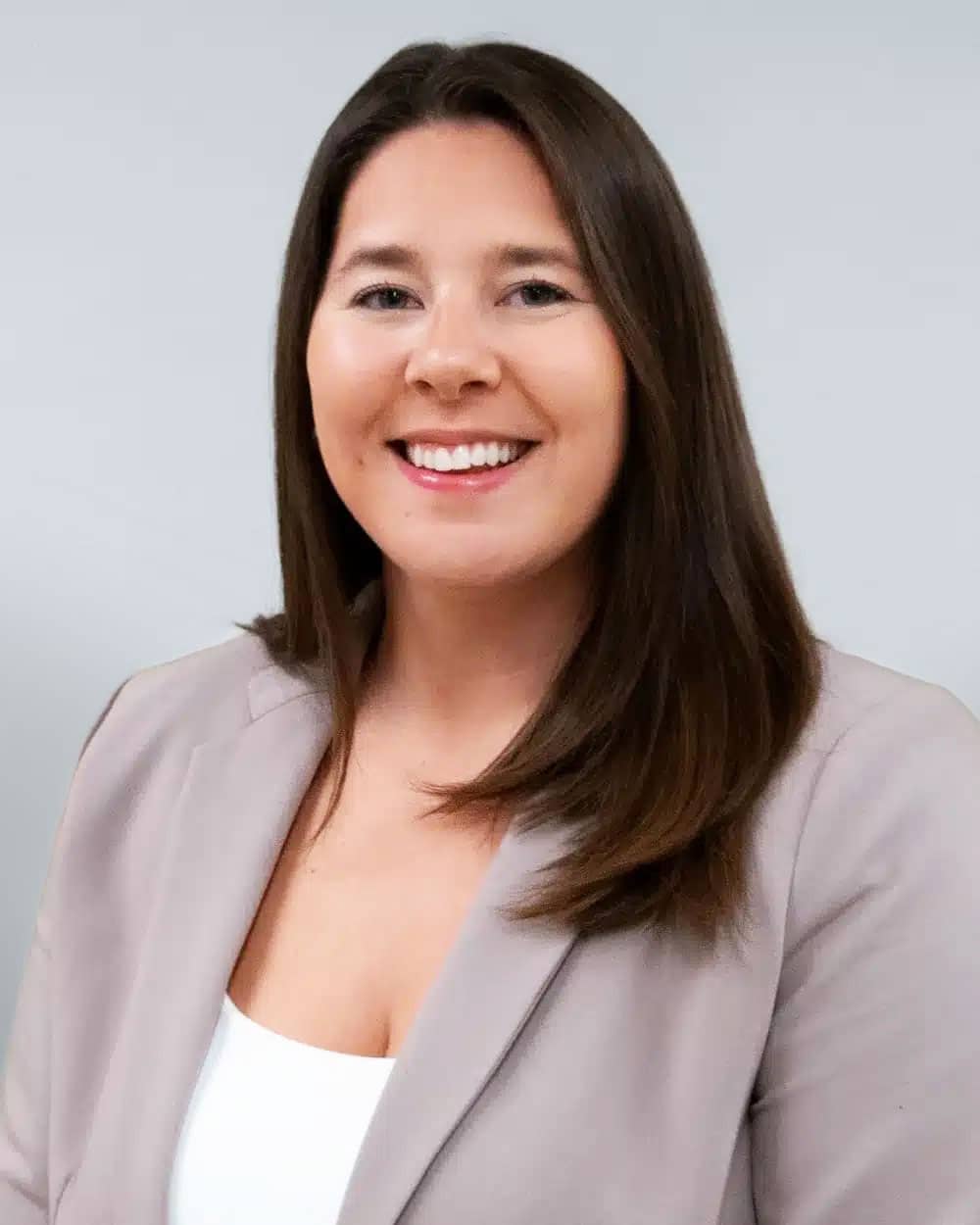
Taylor Garlow, MS, RD
Assistant Director of Admissions & Outreach
Drawing on her background as a Registered Dietitian Nutritionist and bringing a connection-driven approach to admissions, Taylor is dedicated to helping young adults find greater peace and freedom in their lives.
Download the Resource: Disordered Eating on Campus

- For Students: Everything needed to navigate social media and on-campus triggers, as well as creating healthy boundaries with friends and families.
- For Parents: Insight into problematic online trends and tipson how to recognize red flags, even from miles away.
- For Professionals: Tips on supporting students without sacrificing their goals, and advice on how to properly screen for eating disorders.


Support your clients.
With the right care, young adults can thrive. Our team is here to offer guidance every step of the way.