Introduction
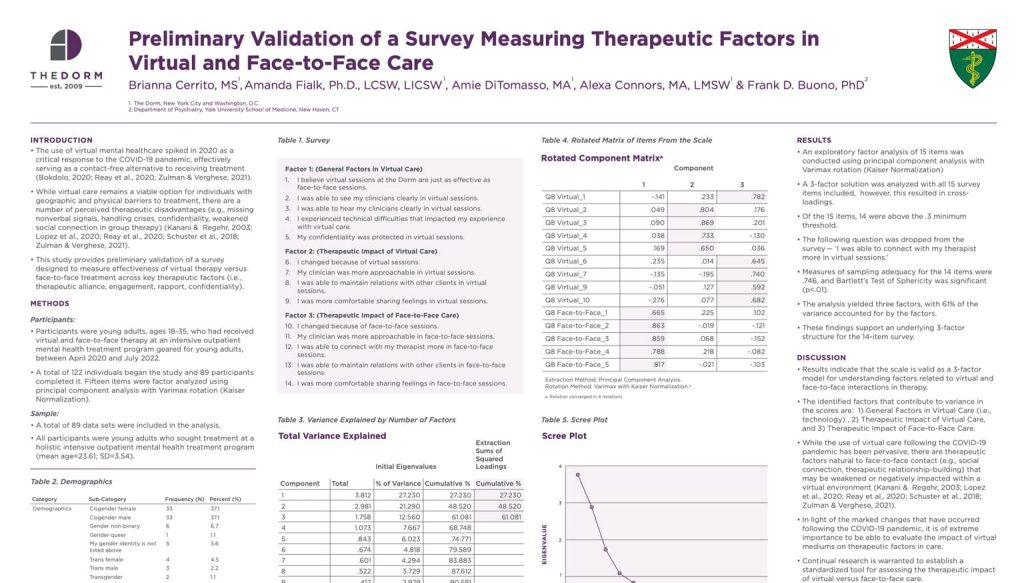
As virtual therapy becomes an integral component of modern mental health care, understanding its impact on the therapeutic process is increasingly important. This study validated a survey developed by The Dorm to assess how virtual and face-to-face therapy differ across four key therapeutic factors: therapeutic alliance, engagement, rapport, and confidentiality.
Summary of Findings
Analyses supported a three-factor model capturing meaningful distinctions across treatment modalities. Identified factors included the therapeutic impact of face-to-face care, general factors in virtual care such as technology and accessibility, and the therapeutic impact of virtual care.
Results provide evidence that the survey reliably measures differences in how each modality supports the therapeutic relationship. In the context of post-pandemic mental health care delivery, tools such as this are essential for evaluating virtual platforms and informing best practices in hybrid and telehealth treatment models.